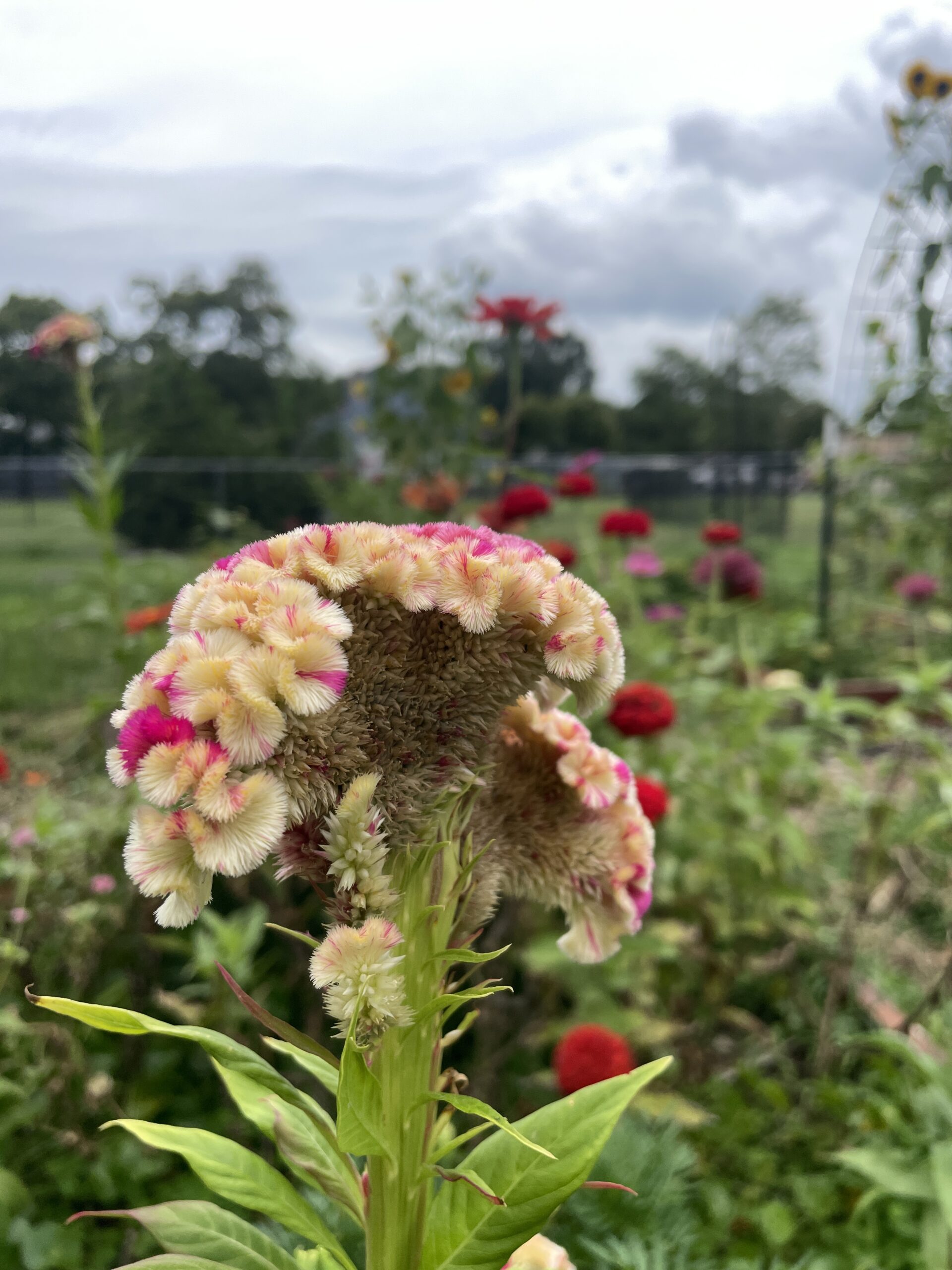
I can garden because I’m an archivist.
Did you know that in archival work, removal of items is just as important as storage of items? The archive is not a museum, it’s not meant to hold all the things. Yet, in our cultural mind’s eye an archive is seen as a holding spot. Or it’s glamorized as a place with super organized shelves and golden bound books and knowledge, oh the knowledge you’ll gain!
I bought my first house at age 41, and I have had the privilege to cultivate a garden, both one that will fallow this winter, and one that is full of perennials. What helps me to be a gardener is my training as an archivist. I think about this almost every morning, when I wake a 6am before the heat and weed my garden.
The way I look very closely over the area I’m weeding, to make sure I don’t pull something intended to be there; this mirrors archival work beyond measure.
There are more weeds in my garden than I’d like, which is part of a growing curve being the first year in this 80 year old home. I inherited many years of growth that was already there from previous crops and previous grass seeds implanting their wicked roots into the space.
Another way this relates to archival work is in the weeding. Weeding, or in archival speak: deaccessioning, simply is the removal of what isn’t necessary from a collection in order, and this is the important part, for that collection to remain viable to its users.
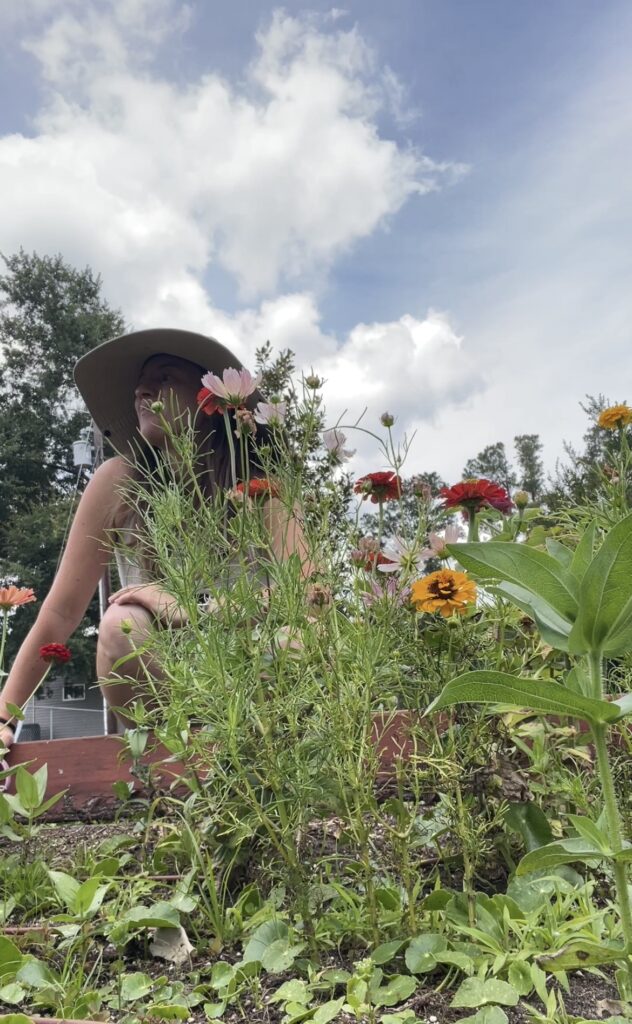
I’ll get back to gardening in a moment. But an archive has to serve a purpose in order to function well. Typically, that purpose is to support users to find the information they need. One of the most daunting tasks for an archive is to figure out what to keep and what to get rid of. The foundation to these decisions is a collection development policy, yet most cultural institutions don’t have one or they’re greatly outdated.
I recently visited an archive for a cultural institution that had never had an official collection policy. As you might imagine, it was a disorganized space with tossed aside ephemera almost spilling out of the door. It needed a grand weeding task, one that might take years if they’re serious about getting their archive back to a useable state.
In comparison, the garden is overwhelming when I’ve stepped away from it for a few days. In all fairness, I mother two young children, so they take the priority of my focus. Yet, weeding keeps the garden thriving to serve it’s purpose, to invite joy to the pollinators and me, so I do it in the wee hours of the morning.
What else in life needs weeding? My formal training as an archivist helps me to practically realize nothing is too precious that it can’t be tossed. I learned this the hard way, too, after my mother passed away. So many of her belongings, save the memorabilia or valuable items, had to be weeded out. They no longer served the purpose of being part of her daily life.
The idiom: You can’t take it with you has so much significance in this write up. In the end, the archive and the garden will exist long after we’re gone. If the archive is not a museum then what is its purpose, what story will it tell for generations to come?
Thank you, beloved one, for reading one of my almost 300 blogs! Please consider buying me a coffee to keep quality posts like these fueled!